
The Benefits of Urban Farming on Mental Health
Urban farming is more than just a trend; it's a transformative movement that brings the joy of gardening into the heart of our cities. Imagine stepping out of your apartment and into a vibrant community garden, where the air is filled with the scent of fresh herbs and the sound of laughter. This article explores how urban farming can positively impact mental health, providing insights into community engagement, stress relief, and overall well-being through gardening practices in urban environments.
Engaging in urban farming activities can significantly enhance mental well-being by reducing anxiety and depression. When you dig your hands into the soil, you’re not just planting seeds; you’re cultivating a sense of purpose. The act of nurturing plants fosters positive emotions and creates a profound connection with nature and community. It’s like therapy, but instead of a couch, you have a garden as your sanctuary.
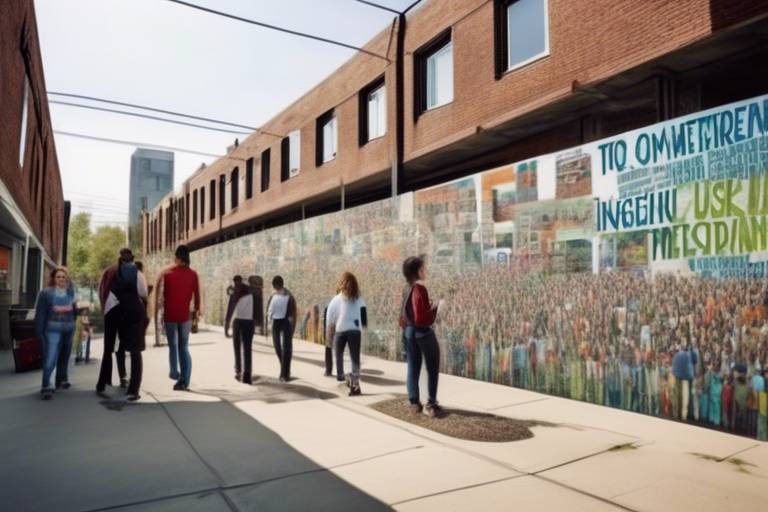
Urban farming encourages community interaction, creating social bonds among participants. This engagement fosters a supportive environment that reduces feelings of isolation and enhances collective mental health through shared experiences and goals. When neighbors come together to plant, tend, and harvest, they’re not just growing food; they’re cultivating friendships and building a network of support.
Participating in urban farming helps individuals build strong social networks, which can lead to increased emotional support and friendship. These connections are crucial for mental health and resilience against stressors. Think of it as a safety net; when life gets tough, you have a community to lean on. Whether it’s sharing gardening tips or simply enjoying a cup of tea together, these interactions can make a world of difference.
Collaborative farming projects encourage teamwork, allowing individuals to work together towards a common goal. This not only enhances feelings of belonging but also creates a shared sense of achievement, which is vital for mental health. Imagine the joy of harvesting a crop that you’ve worked on together; it’s a celebration of collective effort and success.
Hosting local events and workshops related to urban farming fosters community spirit, promotes learning, and provides opportunities for social interaction. These gatherings can range from planting days to cooking classes using the produce grown in the garden. Each event is a chance to connect, learn, and grow, both literally and figuratively.
Urban farming offers opportunities for skill development, which can boost self-esteem and confidence. Learning new gardening techniques or sustainable practices empowers individuals and improves their mental outlook. When you see the fruits of your labor, it’s a reminder of your capabilities, reinforcing the belief that you can achieve your goals.
Gardening has been shown to reduce stress levels significantly. Urban farming provides a therapeutic outlet, allowing individuals to escape the hustle and bustle of city life. It’s a form of mindfulness—when you’re focused on planting seeds or watering your garden, the worries of the day fade away. This hands-on activity promotes relaxation and encourages a state of flow, where time seems to stand still.
Engaging with plants and soil encourages mindfulness, helping individuals to focus on the present moment. This practice reduces rumination and stress while enhancing overall mental clarity and peace of mind. It’s like a mental detox; the more you immerse yourself in nature, the clearer your thoughts become.
The physical activity involved in urban farming contributes to mental health by releasing endorphins, improving mood, and reducing feelings of anxiety and depression. Just think of it as exercise with a purpose—every weed you pull and every plant you water contributes to your physical well-being while simultaneously lifting your spirits.
Urban farming provides access to fresh fruits and vegetables, promoting healthy eating habits. A nutritious diet is closely linked to improved mental health, as it contributes to better mood regulation and cognitive function. When you grow your food, you’re not just feeding your body; you’re nourishing your mind.
Eating fresh produce can significantly impact mood and energy levels, as certain nutrients are essential for brain health. Urban farming encourages healthier eating habits that support mental well-being. It’s a simple equation: the better you eat, the better you feel.
Urban farming can empower communities by enhancing food security, reducing reliance on processed foods, and fostering a sense of control over one’s food sources. This empowerment positively influences mental health, as individuals feel more in charge of their lives and choices. It’s about reclaiming your power, one vegetable at a time.
- What are the mental health benefits of urban farming? Urban farming can reduce anxiety and depression, improve mood, and foster social connections.
- How does gardening promote mindfulness? Gardening encourages individuals to focus on the present moment, which helps reduce stress and enhance mental clarity.
- Can urban farming help with food security? Yes, it can empower communities by providing access to fresh produce and reducing reliance on processed foods.

Improved Mental Well-Being
This article explores how urban farming can positively impact mental health, providing insights into community engagement, stress relief, and overall well-being through gardening practices in urban environments.
Engaging in urban farming activities can significantly enhance mental well-being by reducing anxiety and depression, fostering a sense of purpose, and promoting positive emotions through connection with nature and community. Imagine stepping into a vibrant garden right in the heart of the city; the fresh smell of earth, the colors of blooming flowers, and the sound of birds chirping can all lift your spirits. Urban farming allows individuals to reconnect with nature, which can be a powerful antidote to the stressors of urban life. It's like a breath of fresh air in a crowded subway station.
Research shows that spending time in green spaces can lead to improved mood and decreased feelings of stress. When you dig your hands into the soil, you're not just planting seeds; you're planting hope and positivity. This hands-on activity encourages mindfulness, allowing you to focus on the present moment and escape from daily worries. The act of nurturing plants can also instill a sense of responsibility and accomplishment, which is crucial for mental health.
Moreover, urban farming cultivates a community spirit that further enhances well-being. When you work alongside others, sharing the joys and challenges of gardening, you build meaningful connections. These connections can transform into friendships that provide emotional support during tough times. In essence, urban farming is more than just growing food; it's about growing relationships that enrich our lives.
To illustrate the benefits, consider the following table that summarizes the key aspects of improved mental well-being through urban farming:
| Benefit | Description |
|---|---|
| Reduced Anxiety | Hands-on gardening activities help alleviate feelings of anxiety and promote relaxation. |
| Sense of Purpose | Nurturing plants fosters a sense of responsibility and achievement. |
| Connection with Nature | Engaging with the natural environment improves mood and enhances mental clarity. |
| Community Bonds | Working with others creates social connections that provide emotional support. |
In addition to these benefits, urban farming can also serve as a platform for learning and personal growth. As individuals learn new gardening techniques or sustainable practices, they not only improve their skills but also boost their self-esteem and confidence. This empowerment can lead to a more positive outlook on life, making challenges feel more manageable.
In conclusion, urban farming is a multifaceted approach to enhancing mental well-being. By connecting with nature, building community, and fostering personal growth, individuals can experience a significant uplift in their mental health. So, why not grab a shovel and dig into this rewarding journey? You might just find that the garden you cultivate is not only a source of fresh produce but also a sanctuary for your mind and soul.
- What are the mental health benefits of urban farming? Urban farming can reduce anxiety and depression, foster a sense of purpose, and enhance community engagement.
- How does gardening promote mindfulness? Gardening encourages individuals to focus on the present moment, helping reduce stress and improve mental clarity.
- Can urban farming improve social connections? Yes, participating in urban farming projects allows individuals to build friendships and support networks.
- What skills can I learn through urban farming? Urban farming offers opportunities to learn gardening techniques, sustainable practices, and teamwork skills.

Community Engagement
Urban farming is not just about growing food; it's about cultivating relationships and fostering a sense of community. Engaging in urban farming activities creates a vibrant social fabric that binds people together. Imagine stepping into a community garden where neighbors, young and old, come together to plant seeds, share stories, and nurture not just the plants, but also the connections that make urban living more enriching. This collaborative effort fosters a supportive environment that can significantly reduce feelings of isolation and loneliness.
One of the most remarkable aspects of urban farming is its ability to build social networks. When individuals participate in these farming initiatives, they often find themselves forming friendships that extend beyond the garden. These social ties provide emotional support, which is crucial for mental health. Just like a well-tended garden flourishes with care and attention, so do the relationships that grow within these communal spaces. People share their experiences, challenges, and victories, creating a sense of belonging that can be incredibly uplifting.
Moreover, collaborative projects in urban farming encourage teamwork and joint efforts towards common goals. Working side by side with others to cultivate a garden not only enhances feelings of belonging but also instills a sense of shared achievement. This camaraderie is vital for mental health, as it reinforces the idea that we are all in this together. Think of it as a potluck dinner where everyone brings a dish to share; the more diverse the contributions, the richer the experience for everyone involved.
Additionally, hosting local events and workshops related to urban farming can significantly enhance community spirit. These gatherings provide opportunities for learning and social interaction, where individuals can exchange knowledge about gardening techniques, sustainable practices, and even cooking with fresh produce. Such events not only promote skill development but also create a vibrant atmosphere that encourages participation and connection. Imagine the joy of attending a workshop where you learn to make your own compost while chatting with neighbors and sharing tips on growing tomatoes!
In conclusion, community engagement through urban farming is a powerful antidote to the isolation often felt in urban settings. By building social networks, participating in collaborative projects, and hosting events, urban farming fosters a sense of belonging and shared purpose. This not only enhances individual mental health but also strengthens the community as a whole, creating a supportive environment where everyone can thrive.
- What is urban farming? Urban farming refers to the practice of cultivating, processing, and distributing food in or around urban areas.
- How does urban farming benefit mental health? It provides social interaction, reduces isolation, promotes mindfulness, and enhances overall well-being.
- Can anyone participate in urban farming? Yes! Urban farming is inclusive and welcomes individuals of all ages and backgrounds.
- What types of crops can be grown in urban farms? A variety of fruits, vegetables, and herbs can be grown, depending on the climate and available space.
- How can I get involved in urban farming? Look for community gardens in your area, join local workshops, or start your own garden at home!

Building Social Networks
Engaging in urban farming is not just about planting seeds in the ground; it's about sowing the seeds of community and connection. When individuals come together to cultivate a shared space, they naturally begin to forge bonds that extend beyond the garden. These social networks are crucial for mental health, as they provide a sense of belonging and support that can be incredibly uplifting. Think of it as creating a community garden where not only plants grow but friendships blossom as well.
In urban farming, participants often find themselves working alongside neighbors, friends, and even strangers who share a common interest. This shared passion for gardening ignites conversations, laughter, and the exchange of ideas. Imagine a group of people planting tomatoes together; while their hands are in the soil, they are also digging into each other's lives, sharing stories, and building relationships that can last a lifetime.
The beauty of these social networks lies in their diversity. Urban farms often attract individuals from various backgrounds, ages, and cultures, creating a rich tapestry of experiences and perspectives. This diversity can lead to creative collaborations and innovative solutions to common challenges, fostering a spirit of unity and teamwork. When people come together, the potential for emotional support increases, making it easier to navigate life's ups and downs.
Moreover, urban farming initiatives often host events that encourage participation and interaction. These gatherings can include workshops, potlucks, and community meetings, all designed to strengthen the bonds formed within the farming community. These events serve as a platform for individuals to share their knowledge, skills, and experiences, further enhancing the social fabric of the group.
As these relationships grow, so does the emotional support available to each individual. Having a network of friends and fellow gardeners can significantly reduce feelings of isolation and loneliness, which are common contributors to mental health struggles. When you know there are people who understand your journey and are willing to lend a helping hand, it can make all the difference in the world.
In summary, urban farming is a powerful tool for building social networks that enrich our lives. By coming together to cultivate the earth, we cultivate friendships, create lasting memories, and foster a sense of community that positively impacts our mental health. So, the next time you dig into the soil, remember that you're not just growing plants; you're also growing connections that can nourish your soul.
- What is urban farming? Urban farming refers to the practice of cultivating, processing, and distributing food in or around urban areas. It can include community gardens, rooftop farms, and indoor gardening.
- How does urban farming improve mental health? Urban farming provides a therapeutic outlet, fosters community engagement, and encourages physical activity, all of which contribute to improved mental well-being.
- Can anyone participate in urban farming? Absolutely! Urban farming is inclusive and welcomes individuals from all backgrounds and skill levels, making it a great way to meet new people and learn together.
- What types of events can I expect in urban farming communities? Events can range from workshops on gardening techniques to community potlucks and volunteer days, all aimed at bringing people together and sharing knowledge.

Collaborative Projects
Collaborative farming projects are like a breath of fresh air in the hustle and bustle of urban life. Imagine a group of neighbors coming together, shovels in hand, laughter echoing as they dig into the earth, planting seeds of not just vegetables, but of friendship and community spirit. These projects create a sense of unity and shared purpose, which is incredibly beneficial for mental health. When individuals work together towards a common goal, they cultivate not only plants but also a deeper sense of belonging. This camaraderie can be vital in combating feelings of loneliness and isolation that often plague urban dwellers.
Moreover, the act of collaborating on these projects fosters teamwork and communication skills. Participants learn to share ideas, resolve conflicts, and celebrate successes together. This collaboration can take many forms, including:
- Community Gardens: Shared spaces where residents work together to grow fruits, vegetables, and flowers.
- Workshops: Sessions where individuals can learn from each other about sustainable practices and gardening techniques.
- Food Drives: Initiatives where the produce grown is donated to local food banks, enhancing community support.
In essence, these collaborative projects are more than just gardening; they are about building relationships and creating a supportive network. Participants often find that the shared labor leads to shared laughter, stories, and experiences, which can significantly enhance their emotional well-being. The sense of achievement that comes from seeing the fruits of their labor—quite literally—can boost self-esteem and foster a positive outlook on life. It's this blend of teamwork, community, and gardening that makes collaborative projects a powerful tool for improving mental health in urban settings.
Q1: What are the mental health benefits of urban farming?
A1: Urban farming can reduce anxiety and depression, foster a sense of purpose, and promote positive emotions through connection with nature and community.
Q2: How can I get involved in collaborative urban farming projects?
A2: Look for local community gardens, workshops, or social media groups focused on urban farming in your area. Many cities have initiatives aimed at bringing people together through gardening.
Q3: Do I need gardening experience to participate in urban farming?
A3: No prior experience is necessary! Many collaborative projects welcome beginners and provide training or workshops to help you learn.
Q4: What types of plants are best for urban farming?
A4: Depending on your climate and space, consider starting with easy-to-grow plants like tomatoes, herbs, or leafy greens. These are often well-suited for urban environments.

Local Events and Workshops
Local events and workshops centered around urban farming serve as vibrant hubs for community engagement and personal growth. These gatherings not only provide a platform for individuals to come together and share their love for gardening but also create a space for learning and skill enhancement. Imagine a sunny Saturday morning, where neighbors gather in a community garden, exchanging tips on organic pest control or discussing the best methods for composting. Such interactions foster a sense of belonging and camaraderie, which is essential for mental health.
Workshops can vary widely, from hands-on gardening classes to informative sessions on sustainable practices. For instance, a workshop might focus on vertical gardening, teaching participants how to maximize limited space, which is particularly valuable in urban settings. These practical skills empower individuals, giving them the confidence to grow their own food and contribute to their community. The excitement of planting seeds together and watching them grow creates a sense of achievement that can uplift spirits and enhance well-being.
Moreover, local events often feature guest speakers, experts in the field of horticulture or mental health, who share insights on the therapeutic benefits of gardening. This knowledge can be transformative, helping participants understand how their gardening efforts contribute not only to their own health but also to the environment and community. By attending these events, individuals can engage in meaningful conversations, share experiences, and form lasting friendships, all of which are crucial for reducing feelings of isolation.
To illustrate the impact of these local gatherings, consider the following table that outlines some common types of events and their benefits:
| Event Type | Description | Benefits |
|---|---|---|
| Workshops | Hands-on classes focusing on various gardening techniques. | Skill development, increased confidence, and practical knowledge. |
| Community Planting Days | Group activities where participants plant new crops together. | Teamwork, social bonding, and a sense of accomplishment. |
| Harvest Festivals | Celebrations of the harvest season with food, music, and activities. | Community spirit, joy, and sharing of produce. |
In conclusion, local events and workshops related to urban farming are more than just opportunities to learn; they are essential for building a supportive community. By participating in these activities, individuals not only enrich their gardening skills but also cultivate friendships and enhance their mental health. So, why not check out what's happening in your area? You might just find a new passion and a circle of friends who share your enthusiasm for urban farming!
- What types of workshops are available in urban farming?
Workshops can cover a range of topics, including organic gardening, composting, and pest management. - How can I find local urban farming events?
Check community bulletin boards, social media groups, or local gardening clubs for upcoming events. - Are these events suitable for beginners?
Absolutely! Many events cater to all skill levels, making them perfect for anyone interested in learning.

Skill Development
Urban farming is not just about growing food; it's a fantastic opportunity for that can profoundly impact your mental health. When you dig your hands into the soil, you’re not just planting seeds; you’re planting the seeds of new skills that can blossom into confidence and self-esteem. Whether you're learning how to cultivate a garden, manage pests organically, or understand the intricacies of seasonal planting, each skill acquired can contribute to a more fulfilling life.
One of the most rewarding aspects of urban farming is the variety of skills you can develop. For instance, you might find yourself mastering:
- Gardening Techniques: From crop rotation to companion planting, understanding these methods can lead to a more productive garden.
- Sustainable Practices: Learning about composting and water conservation not only benefits your garden but also promotes environmental stewardship.
- Cooking Skills: Harvesting your own vegetables can inspire you to experiment in the kitchen, leading to healthier eating habits.
As you engage in these activities, you’ll notice a shift in your mindset. The act of nurturing plants can provide a sense of accomplishment and purpose. Imagine the joy of seeing your first tomato ripen or your herbs flourish; these little victories can uplift your mood and provide a sense of achievement that translates into other areas of your life.
Moreover, urban farming often involves collaboration with others. This teamwork not only enhances learning but also fosters a supportive community where skills are shared and celebrated. Whether it’s through workshops or casual exchanges of gardening tips, the collective knowledge can lead to a richer understanding of sustainable practices. The friendships formed in these settings can provide emotional support that is crucial for maintaining mental health.
In summary, the skills you develop through urban farming are invaluable. Not only do they enhance your gardening prowess, but they also contribute to your overall well-being, creating a ripple effect that positively influences your mental health. So, grab a spade, get your hands dirty, and watch as you cultivate not just plants but also a more confident and empowered you!
- What types of skills can I learn through urban farming?
Urban farming allows you to learn gardening techniques, sustainable practices, cooking skills, and much more. - Can urban farming really help with mental health?
Yes! Engaging in urban farming can reduce anxiety, foster a sense of community, and provide a therapeutic outlet. - How do I get started with urban farming?
Start small with containers or a community garden, and gradually expand your skills and knowledge as you grow.

Stress Relief
Gardening is more than just a hobby; it’s a powerful tool for . In the fast-paced world we live in, finding a moment to breathe can feel like searching for a needle in a haystack. Urban farming provides that much-needed escape from the daily grind. Imagine stepping into a community garden after a long day—surrounded by vibrant greens, the earthy scent of soil, and the gentle buzz of bees. It’s like stepping into a different world where your worries can fade away.
Research has shown that engaging in gardening activities can significantly lower stress levels. When you’re digging your hands into the soil or tending to your plants, you’re not just growing food; you’re cultivating mindfulness. This hands-on experience encourages you to focus on the present moment, allowing your mind to drift away from the anxieties of work or personal life. It’s almost like a form of meditation, where the rhythm of planting, watering, and nurturing becomes a soothing ritual.
Moreover, the physical activity involved in urban farming plays a crucial role in stress relief. When you’re out in the garden, you’re not just planting seeds; you’re also engaging in a workout that releases endorphins. These natural mood lifters can help combat feelings of anxiety and depression. The more you move, the better you feel! Consider this: a simple hour of gardening can be as effective as a jog in the park, not just for your body but for your mind as well.
Let’s not forget the therapeutic benefits of being in nature. Studies have shown that spending time outdoors can lead to lower levels of cortisol, the stress hormone. The sights, sounds, and smells of nature can evoke feelings of calm and tranquility. So, whether you're watering your plants or simply enjoying the beauty of blooming flowers, you’re actively promoting a sense of peace within yourself.
In urban farming, the act of nurturing plants can also foster a sense of purpose. When you see your hard work pay off in the form of fresh vegetables or beautiful flowers, it brings an immense sense of accomplishment. This feeling of achievement can boost your self-esteem and serve as a reminder that you’re capable of creating something beautiful, even amidst the chaos of city life.
Ultimately, urban farming is not just about growing food; it's about growing peace of mind. So, if you’re feeling overwhelmed, why not grab a shovel and dig into the earth? You might just find that the best therapy is found in the simple act of planting a seed.
- How does gardening help reduce stress? Gardening encourages mindfulness and physical activity, both of which have been shown to lower stress levels.
- Can urban farming improve mental health? Absolutely! Engaging in urban farming activities can enhance mental well-being by providing a sense of purpose and community.
- What are some simple gardening activities for beginners? Start with easy-to-grow plants like herbs or flowers. Watering, weeding, and harvesting can be great stress-relief activities.
- How much time should I spend gardening to see benefits? Even 30 minutes a few times a week can significantly improve your mood and reduce stress.

Mindfulness in Nature
Engaging in urban farming is not just about planting seeds and harvesting vegetables; it’s a profound journey into the world of mindfulness. When we immerse ourselves in nature, we naturally begin to focus on the present moment. Have you ever noticed how the simple act of digging your hands into the soil can ground you? It’s as if the earth has a way of pulling your attention away from the chaos of daily life, allowing you to breathe, relax, and truly exist in the now. This connection with nature can help reduce feelings of stress and anxiety, offering a much-needed escape from the fast-paced urban environment.
Mindfulness in nature can be experienced in various ways, and urban farming provides a perfect platform for it. Here are some of the ways urban farming encourages mindfulness:
- Connecting with the Elements: The feel of the soil, the scent of fresh herbs, and the sight of vibrant vegetables can create a sensory experience that enhances your awareness of the world around you.
- Observing Growth: Watching plants grow from seeds to full blooms teaches patience and appreciation for the process of life, reminding us that growth takes time.
- Fostering Gratitude: Tending to plants can cultivate a sense of gratitude for the food we eat and the environment we inhabit, deepening our connection to the earth.
Moreover, the act of gardening itself can serve as a form of meditation. As you prune a plant or water your garden, you can practice deep breathing, allowing your mind to quiet and your body to relax. This meditative state not only enhances your mental clarity but also promotes a sense of peace and well-being. Think of it as a workout for your mind, where the weights are replaced with the gentle act of nurturing nature.
In urban settings where the hustle and bustle can be overwhelming, finding a slice of green to cultivate can be a game changer. Imagine stepping into your garden after a long day, feeling the tension melt away as you connect with the life around you. It’s an invitation to slow down, take a breath, and appreciate the beauty of simplicity. Urban farming doesn’t just feed the body; it nourishes the soul, making it a vital practice for anyone seeking to enhance their mental health.
- What is urban farming? Urban farming refers to the practice of cultivating, processing, and distributing food in or around urban areas. It can include community gardens, rooftop farms, and vertical gardens.
- How does urban farming help with mental health? Urban farming promotes mindfulness, reduces stress, and fosters community engagement, all of which contribute positively to mental well-being.
- Can anyone participate in urban farming? Yes! Urban farming is accessible to everyone, regardless of gardening experience. Many community gardens offer workshops and support for beginners.
- What are some easy plants to grow in an urban garden? Some easy-to-grow plants include herbs like basil and mint, leafy greens like spinach and lettuce, and even tomatoes in pots.

Physical Activity Benefits
This article explores how urban farming can positively impact mental health, providing insights into community engagement, stress relief, and overall well-being through gardening practices in urban environments.
Engaging in urban farming activities can significantly enhance mental well-being by reducing anxiety and depression, fostering a sense of purpose, and promoting positive emotions through connection with nature and community.
Urban farming encourages community interaction, creating social bonds among participants. This engagement fosters a supportive environment, reduces feelings of isolation, and enhances collective mental health through shared experiences and goals.
Participating in urban farming helps individuals build strong social networks, which can lead to increased emotional support and friendship, both crucial for mental health and resilience against stressors.
Collaborative farming projects encourage teamwork, allowing individuals to work together towards a common goal, thereby enhancing feelings of belonging and shared achievement, which are vital for mental health.
Hosting local events and workshops related to urban farming can foster community spirit, promote learning, and provide opportunities for social interaction, all contributing positively to mental health.
Urban farming offers opportunities for skill development, which can boost self-esteem and confidence. Learning new gardening techniques or sustainable practices can empower individuals and improve their mental outlook.
Gardening has been shown to reduce stress levels. Urban farming provides a therapeutic outlet, allowing individuals to escape the hustle and bustle of city life, promoting relaxation and mindfulness through hands-on activities.
Engaging with plants and soil encourages mindfulness, helping individuals to focus on the present moment, reducing rumination and stress, and enhancing overall mental clarity and peace of mind.
The physical activity involved in urban farming contributes significantly to mental health. When you dig in the soil, plant seeds, or harvest vegetables, you're not just nurturing plants; you're also nurturing your own well-being. This kind of physical exertion releases endorphins, the body's natural mood lifters, which can lead to a noticeable improvement in your overall mood. Moreover, the outdoor setting of urban farms allows individuals to soak up the sun, which is a natural source of Vitamin D, essential for mental health.
Consider this: when you engage in physical activities like gardening, you're not just working out; you're also integrating exercise into your daily routine without it feeling like a chore. The benefits of this physical activity can be summarized as follows:
- Improved Mood: Regular movement helps to combat feelings of anxiety and depression.
- Increased Energy Levels: Physical activity boosts your energy, making you feel more vibrant and alive.
- Enhanced Cognitive Function: Exercise promotes better blood flow to the brain, improving focus and clarity.
Moreover, urban farming often involves a variety of tasks that can keep you engaged and active. Whether you’re weeding, planting, or harvesting, each activity is a form of exercise that not only strengthens your body but also provides a sense of accomplishment. It's like hitting two birds with one stone—you're working out while also contributing to the community and your own food supply.
Urban farming provides access to fresh fruits and vegetables, promoting healthy eating habits. A nutritious diet is closely linked to improved mental health, as it contributes to better mood regulation and cognitive function.
Eating fresh produce can significantly impact mood and energy levels, as certain nutrients are essential for brain health. Urban farming encourages healthier eating habits that support mental well-being.
Urban farming can empower communities by enhancing food security, reducing reliance on processed foods, and fostering a sense of control over one’s food sources, which positively influences mental health.
Q: How does urban farming reduce stress?
A: Urban farming provides a hands-on activity that allows individuals to connect with nature, which has been shown to lower stress levels and promote relaxation.
Q: Can urban farming improve social connections?
A: Yes! Urban farming fosters community engagement and builds social networks, which are vital for emotional support and mental resilience.
Q: What physical activities are involved in urban farming?
A: Urban farming involves various physical tasks such as planting, weeding, harvesting, and maintaining garden beds, all of which contribute to physical fitness and mental well-being.

Access to Fresh Produce
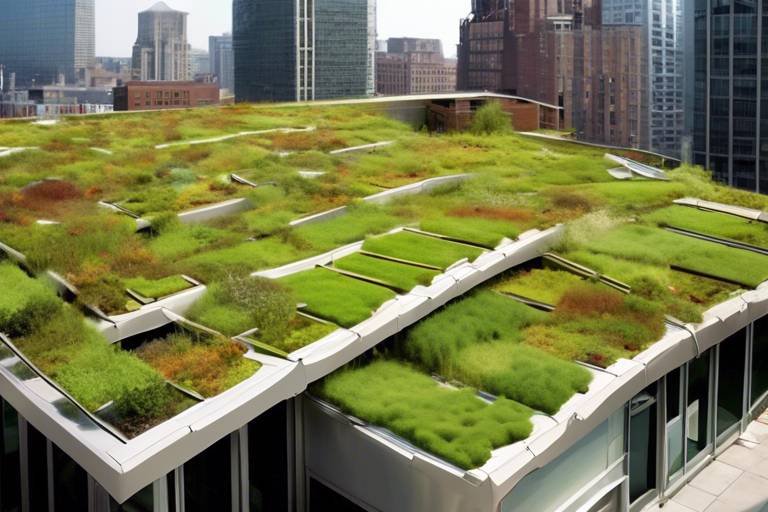
Urban farming is more than just a trendy movement; it's a vital lifeline for many city dwellers seeking access to fresh produce. Imagine living in a concrete jungle, surrounded by towering buildings, and yet having the ability to grow your own fruits and vegetables right outside your door. This not only enhances your diet but also elevates your mental health in profound ways. When you cultivate your own garden, you reap the rewards of fresh, organic produce that is often missing from urban grocery stores, where options can be limited and prices inflated.
One of the most significant benefits of urban farming is the direct access it provides to fresh fruits and vegetables. This access is crucial for maintaining a nutritious diet, which is closely linked to improved mental health. Studies have shown that diets rich in fruits and vegetables can lead to better mood regulation and cognitive function. When you're munching on a crisp, homegrown tomato or a vibrant green kale leaf, you're not just filling your stomach; you're also fueling your brain. The nutrients found in fresh produce, such as vitamins A, C, and E, along with various antioxidants, play a crucial role in brain health.
Moreover, urban farming reduces reliance on processed foods, which often contain high levels of sugar and unhealthy fats. By growing your own food, you gain control over what you consume, leading to healthier eating habits. This empowerment can be a game-changer for mental well-being. When you know where your food comes from and have a hand in its cultivation, it fosters a sense of accomplishment and control that can significantly enhance your mood and self-esteem.
To illustrate the benefits of fresh produce on mental health, consider the following table:
| Nutrient | Benefit |
|---|---|
| Vitamin C | Boosts mood and reduces feelings of anxiety |
| Omega-3 Fatty Acids | Improves cognitive function and emotional regulation |
| Fiber | Supports gut health, which is linked to mental health |
| Antioxidants | Combat oxidative stress, promoting overall brain health |
In addition to the nutritional benefits, urban farming also encourages community engagement and collaboration, which can further enhance access to fresh produce. Many urban farms operate as community gardens where individuals come together to share resources, knowledge, and skills. This collaborative effort not only increases the variety of produce available but also strengthens social bonds among participants, creating a supportive environment that is beneficial for mental health.
As you can see, urban farming is not just about growing food; it's about cultivating a lifestyle that promotes well-being, community, and empowerment. By embracing urban farming, you not only gain access to fresh produce but also nurture your mental health and foster connections that can last a lifetime.
- What is urban farming? Urban farming refers to growing food in urban areas, often in small spaces like rooftops, community gardens, or vacant lots.
- How does urban farming impact mental health? Urban farming provides access to fresh produce, fosters community engagement, and offers stress relief through gardening activities, all of which positively affect mental health.
- Can anyone participate in urban farming? Yes! Urban farming is accessible to everyone, regardless of experience level. Many community gardens offer workshops and support for beginners.
- What are some common crops grown in urban farms? Common crops include tomatoes, peppers, herbs, lettuce, and various fruits, depending on the local climate and growing conditions.

Nutritional Impact on Mood
This article explores how urban farming can positively impact mental health, providing insights into community engagement, stress relief, and overall well-being through gardening practices in urban environments.
Engaging in urban farming activities can significantly enhance mental well-being by reducing anxiety and depression, fostering a sense of purpose, and promoting positive emotions through connection with nature and community.
Urban farming encourages community interaction, creating social bonds among participants. This engagement fosters a supportive environment, reduces feelings of isolation, and enhances collective mental health through shared experiences and goals.
Participating in urban farming helps individuals build strong social networks, which can lead to increased emotional support and friendship, both crucial for mental health and resilience against stressors.
Collaborative farming projects encourage teamwork, allowing individuals to work together towards a common goal, thereby enhancing feelings of belonging and shared achievement, which are vital for mental health.
Hosting local events and workshops related to urban farming can foster community spirit, promote learning, and provide opportunities for social interaction, all contributing positively to mental health.
Urban farming offers opportunities for skill development, which can boost self-esteem and confidence. Learning new gardening techniques or sustainable practices can empower individuals and improve their mental outlook.
Gardening has been shown to reduce stress levels. Urban farming provides a therapeutic outlet, allowing individuals to escape the hustle and bustle of city life, promoting relaxation and mindfulness through hands-on activities.
Engaging with plants and soil encourages mindfulness, helping individuals to focus on the present moment, reducing rumination and stress, and enhancing overall mental clarity and peace of mind.
The physical activity involved in urban farming contributes to mental health by releasing endorphins, improving mood, and reducing feelings of anxiety and depression through regular exercise in a natural setting.
Urban farming provides access to fresh fruits and vegetables, promoting healthy eating habits. A nutritious diet is closely linked to improved mental health, as it contributes to better mood regulation and cognitive function.
The connection between nutrition and mood is profound and often underestimated. Consuming a diet rich in fresh produce, particularly fruits and vegetables, can significantly impact one's mental state. Certain nutrients found in these foods, such as omega-3 fatty acids, vitamins, and minerals, play crucial roles in brain health. For instance:
- Omega-3 Fatty Acids: Found in foods like spinach and walnuts, these are essential for brain function and can help reduce symptoms of depression.
- Antioxidants: Present in berries and leafy greens, antioxidants combat oxidative stress, which is linked to mood disorders.
- B Vitamins: Found in a variety of fruits and vegetables, these vitamins are vital for energy production and can help alleviate feelings of fatigue and irritability.
Moreover, urban farming encourages individuals to grow their own food, fostering a sense of accomplishment and control over their diet. This empowerment can enhance self-esteem and contribute to a more positive outlook on life. When people engage in the process of growing their food, they often become more aware of what they consume, leading to healthier eating habits. This shift can create a ripple effect, influencing not only personal health but also community well-being.
In summary, the nutritional impact of urban farming on mood is significant. By providing access to fresh, nutrient-dense foods, urban farming not only supports physical health but also enhances mental well-being. It cultivates a lifestyle that prioritizes healthful eating, which is essential for maintaining a balanced mood and overall mental clarity.
- What are the mental health benefits of urban farming? Urban farming can reduce anxiety and depression, foster community connections, and provide a sense of purpose.
- How does gardening help with stress relief? Gardening allows individuals to engage in a therapeutic activity that promotes relaxation and mindfulness, helping to escape daily stressors.
- Can urban farming improve access to fresh produce? Yes, urban farming increases access to fresh fruits and vegetables, encouraging healthier eating habits.
- What nutrients are important for mental health? Nutrients such as omega-3 fatty acids, antioxidants, and B vitamins play crucial roles in maintaining mental well-being.

Food Security and Empowerment
Urban farming is more than just a trend; it’s a powerful movement that can transform communities and enhance food security. Imagine a neighborhood where fresh fruits and vegetables are not just a luxury but a staple. This shift is incredibly empowering for residents, as it reduces reliance on processed foods and fosters a sense of control over personal and community food sources. When individuals engage in urban farming, they’re not just planting seeds; they’re cultivating hope and self-sufficiency.
One of the most significant benefits of urban farming is its ability to address food deserts—areas where access to fresh food is limited. By establishing community gardens and urban farms, neighborhoods can reclaim their food systems, ensuring that everyone has access to nutritious options. This empowerment translates into better health outcomes and a stronger community bond, as residents work together to grow their food. The act of gardening itself becomes a source of pride and accomplishment, reinforcing the idea that they can provide for themselves and their families.
Additionally, urban farming encourages education around sustainable practices, which can lead to improved food literacy. Workshops on gardening techniques, cooking classes, and nutrition education can be organized within these community spaces. This knowledge is invaluable, as it equips individuals with the skills necessary to make healthier choices. When people understand where their food comes from and how to grow it, they are more likely to appreciate its value and make informed decisions about their diets.
Furthermore, urban farms can serve as a hub for local economies. By selling surplus produce at farmers' markets or local stores, individuals can generate income, which further enhances their sense of empowerment. This cycle of growth not only boosts the local economy but also strengthens community ties. When people come together to support local agriculture, they create a network of mutual aid that uplifts everyone involved.
In summary, urban farming plays a crucial role in enhancing food security and empowering communities. It fosters a sense of ownership over food sources, promotes healthier eating habits, and builds resilience against economic challenges. By transforming vacant lots into vibrant gardens, we can create a future where everyone has access to fresh produce, leading to improved mental and physical health for all.
- What is urban farming?
Urban farming refers to the practice of cultivating, processing, and distributing food in and around urban areas. It includes community gardens, rooftop farms, and vertical gardens. - How does urban farming improve mental health?
Urban farming improves mental health by reducing stress, fostering community engagement, providing a sense of purpose, and encouraging physical activity. - Can anyone participate in urban farming?
Yes! Urban farming is inclusive, and anyone interested can participate, regardless of gardening experience. - What types of crops can be grown in urban farms?
Urban farms can grow a variety of crops, including vegetables, fruits, herbs, and even flowers, depending on the climate and available space. - How can I start an urban farm in my community?
To start an urban farm, gather a group of interested individuals, identify a suitable location, and research local regulations. Then, develop a plan for what to grow and how to maintain the farm.
Frequently Asked Questions
- What are the mental health benefits of urban farming?
Urban farming can significantly enhance mental well-being by reducing anxiety and depression. Engaging with nature and being part of a community fosters a sense of purpose and promotes positive emotions, making it an excellent avenue for mental health improvement.
- How does urban farming promote community engagement?
Urban farming creates opportunities for individuals to interact and bond over shared goals. This interaction helps reduce feelings of isolation, enhances collective mental health, and builds strong social networks that provide emotional support.
- Can urban farming really help reduce stress?
Absolutely! Gardening is a therapeutic outlet that allows individuals to escape the hustle and bustle of city life. The hands-on activities involved in urban farming promote relaxation and mindfulness, effectively reducing stress levels.
- What role does physical activity play in urban farming?
The physical activity involved in urban farming releases endorphins, which can improve mood and reduce feelings of anxiety and depression. Regular exercise, combined with the calming effects of nature, can significantly boost mental health.
- How does access to fresh produce impact mental health?
Having access to fresh fruits and vegetables encourages healthier eating habits, which are closely linked to improved mood and cognitive function. Urban farming helps promote a nutritious diet that supports mental well-being.
- What is the significance of food security in urban farming?
Urban farming enhances food security by reducing reliance on processed foods and empowering communities. This sense of control over food sources positively influences mental health, contributing to a greater feeling of stability and well-being.